
Guidelines for Choosing PPE Equipment for Industrial Work to Ensure Effective Safety
Workplace safety is a critical factor that directly impacts both personnel and organizational performance. One of the key tools for reducing risks in industrial environments is Personal Protective Equipment (PPE). However, selecting the right PPE is not just about having equipment available — it must be suitable for the specific job, meet required standards, and be made from high-quality materials to ensure effective protection.
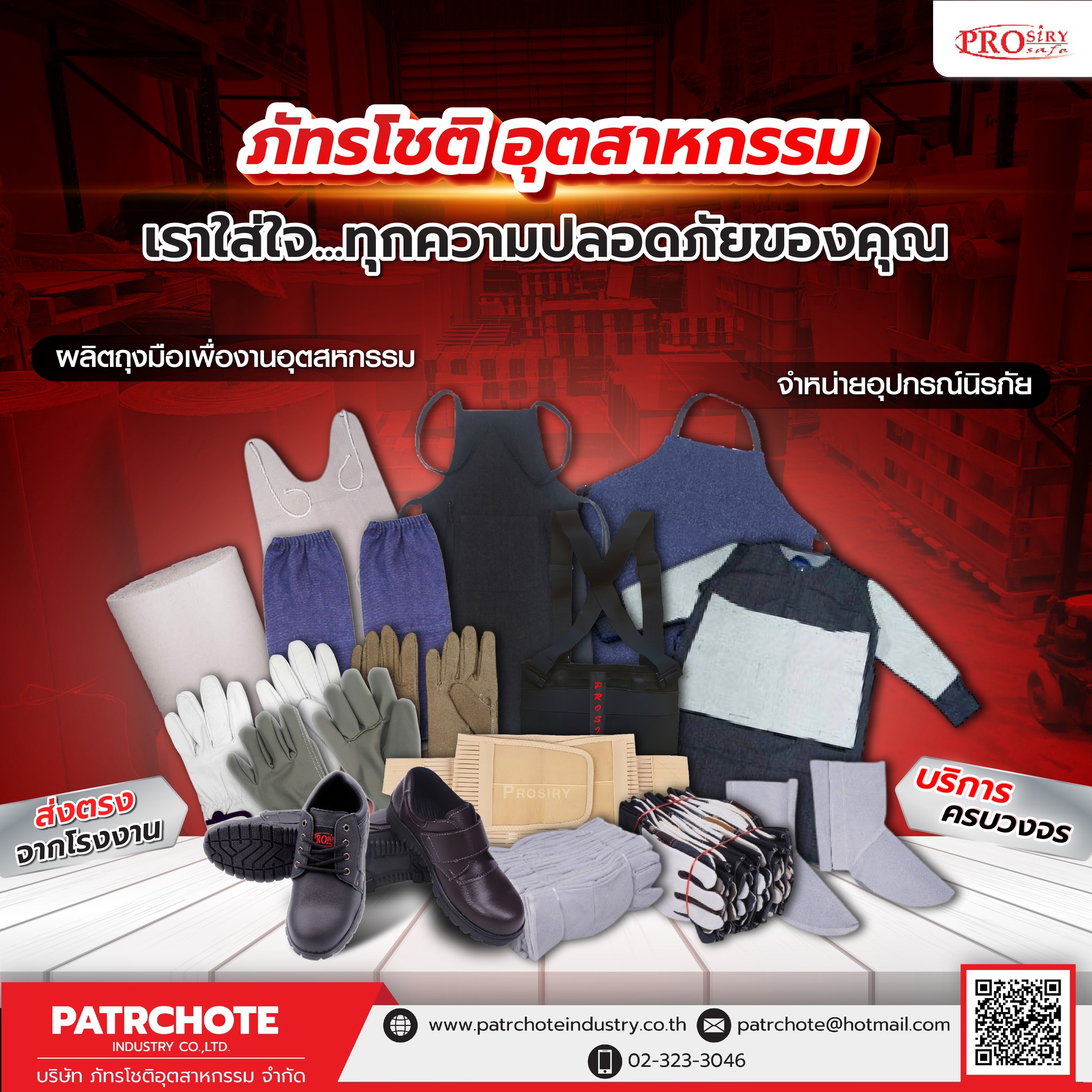
The Importance of PPE in Industrial Work
PPE plays a vital role in protecting workers from various risks, including:
- Heat and welding sparks
- Chemicals and hazardous liquids
- Sharp objects and impact hazards
- Dust and noise
Proper use of PPE helps reduce accidents, enhance safety, and ensure continuous and efficient operations.
Principles for Selecting the Right PPE
1. Consider the Type of Risk
PPE selection should begin with analyzing workplace hazards, such as:
- Welding work → requires heat- and spark-resistant equipment
- Chemical work → requires chemical-resistant materials
- Machinery work → requires impact and injury protection
Selecting PPE that matches the risk is fundamental to ensuring its effectiveness.
2. Choose Suitable Materials
The material of PPE significantly affects its protective performance, for example:
- Split cow leather for high-heat environments
- Nitrile or rubber for chemical resistance
- Fabric for light-duty protection
Choosing appropriate materials helps extend product lifespan and improve safety.
3. Proper Fit and Comfort
PPE should fit the user properly to allow efficient movement:
- Loose equipment may cause entanglement hazards
- Tight equipment may reduce work efficiency
Proper fit is essential for practical industrial use.
4. Select Certified Products
PPE should comply with recognized standards such as:
- ISO
- CE
- Other industrial standards
These certifications ensure product quality, safety, and reliability.
5. Choose Reliable Manufacturers
Selecting experienced manufacturers or trusted brands ensures product quality and expert guidance.
Manufacturers with industry expertise are better equipped to develop products tailored to specific industrial needs.
Examples of PPE for Welding Work
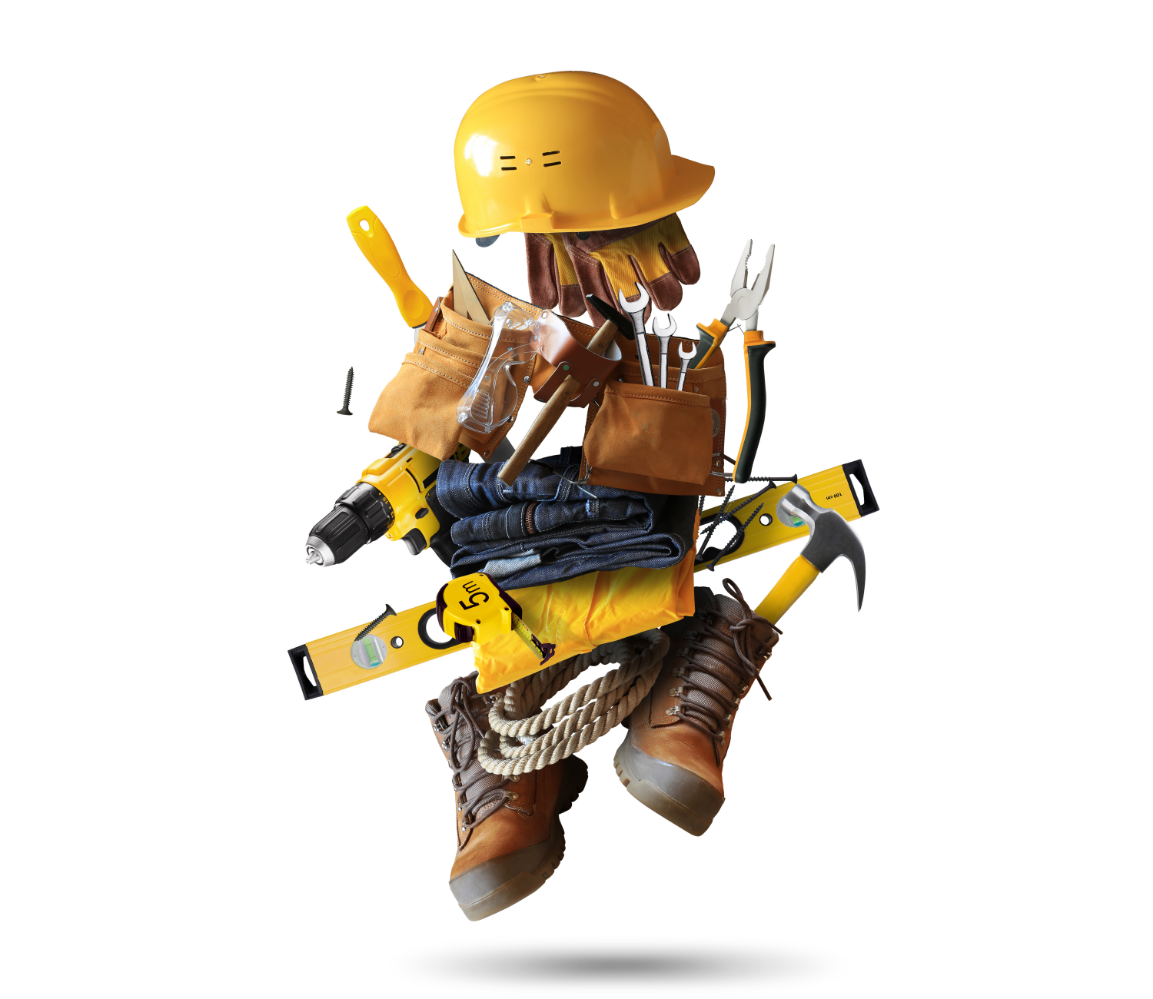
PPE Equipment
Common Mistakes in PPE Selection
- Using PPE that does not match the job
- Choosing non-certified products
- Using worn-out or damaged equipment
- Making decisions based on price alone
Read more How to choose work gloves
FAQ
Q: How important is PPE in industrial workplaces?
A: PPE is essential for reducing workplace accidents and protecting both workers and assets.
Q: When should PPE be replaced?
A: PPE should be replaced when it becomes worn, damaged, or no longer provides adequate protection.
Conclusion
Choosing high-quality PPE that suits the job not only enhances safety but also improves operational efficiency.
About the Author
This article is written by Patcharochote Industry Co., Ltd., a manufacturer and distributor of PPE equipment in Thailand with extensive experience in industrial safety solutions.